Identifying Pathogens and Microorganisms
Microbiology tests are critical to identify the presence of bacteria, fungi, yeast, and viruses in biological and environmental samples. Our laboratory employs traditional culture techniques alongside modern PCR assays to quickly detect pathogens. We support medical clinics, food manufacturers, and environmental managers in screening for contamination, ensuring product hygiene, and diagnosing infectious diseases with high precision.
Sample Inoculation
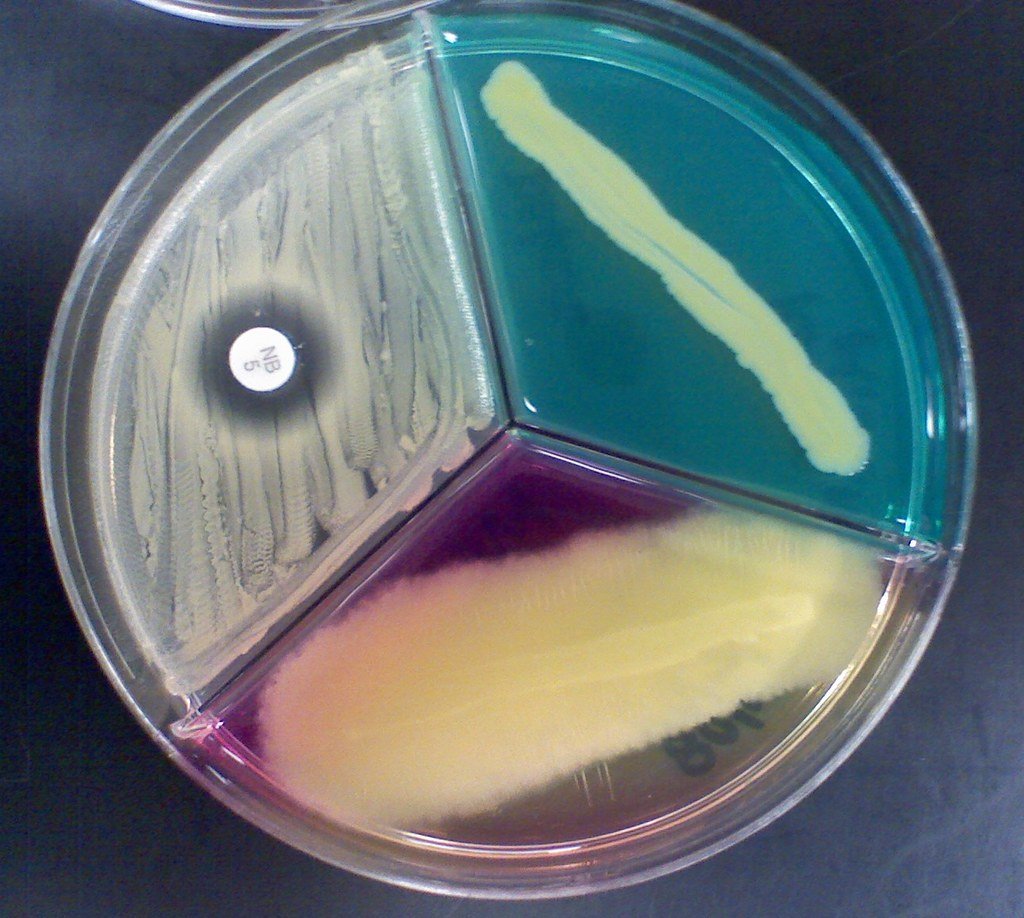
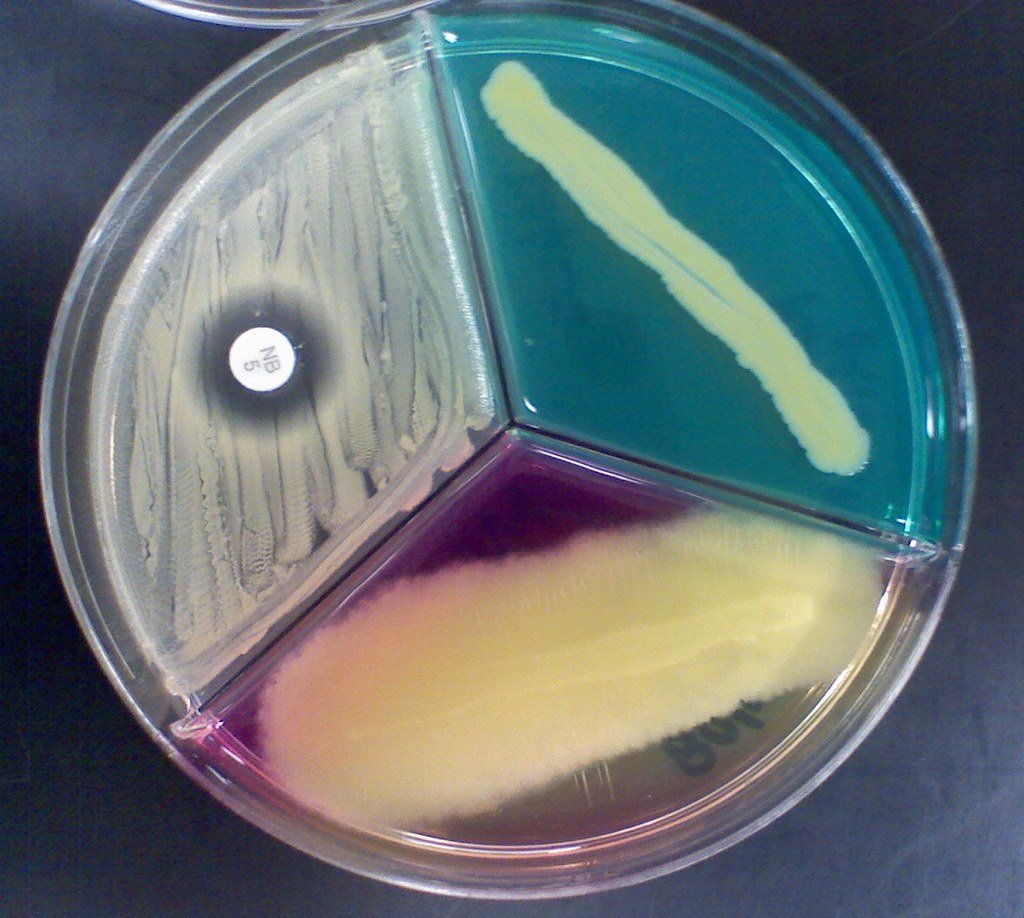
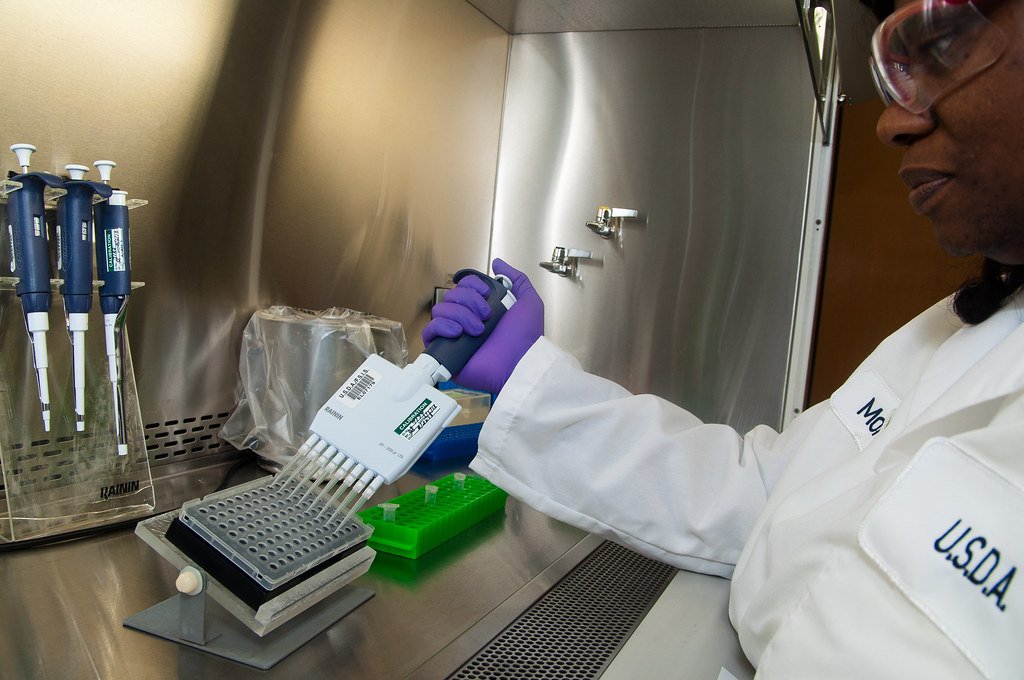
Placing samples onto selective growth agar inside sterile hood chambers.
Incubation Loop
Growing micro-cultures at controlled temperatures for optimal growth.
Species Mapping
Identifying bacterial species using mass spectrometry and DNA PCR.
These microbiological services focus on detecting pathogenic agents and assessing total microbial activity. We evaluate sample purity, identify species, and run antibiotic sensitivity profiles. A complete laboratory report is generated.
Pathogen Screening
Targeted testing for Salmonella, Listeria, and E. coli in food products.
Fungal Culture Tests
Identifying mold and yeast contaminants in cleanrooms and products.
Antibiotic Resistance
Testing pathogen sensitivity to antibiotics to guide clinical choices.
Microbiome Profiling
Characterizing complex bacterial communities using DNA sequencing.
Frequently asked Questions
Microbiology testing protects consumers and patients by identifying hidden pathogens in products, food matrices, and biological tissues. Our accredited microbiology laboratory delivers the rapid turnaround and exact species identification needed for safety audits.
PCR amplifies bacterial DNA for rapid detection within hours, while traditional culture grows live colonies over 24-48 hours to determine viability.
Listeria is a dangerous foodborne pathogen that can grow in chilled environments, making regular cleanroom and surface screening vital for food plants.
We use active air samplers and settle plates to monitor airborne microbes, ensuring pharmaceutical filling rooms remain within sterile limits.
It measures the growth response of isolated bacteria to various antibiotics, helping doctors select the most effective treatment for patient infections.